

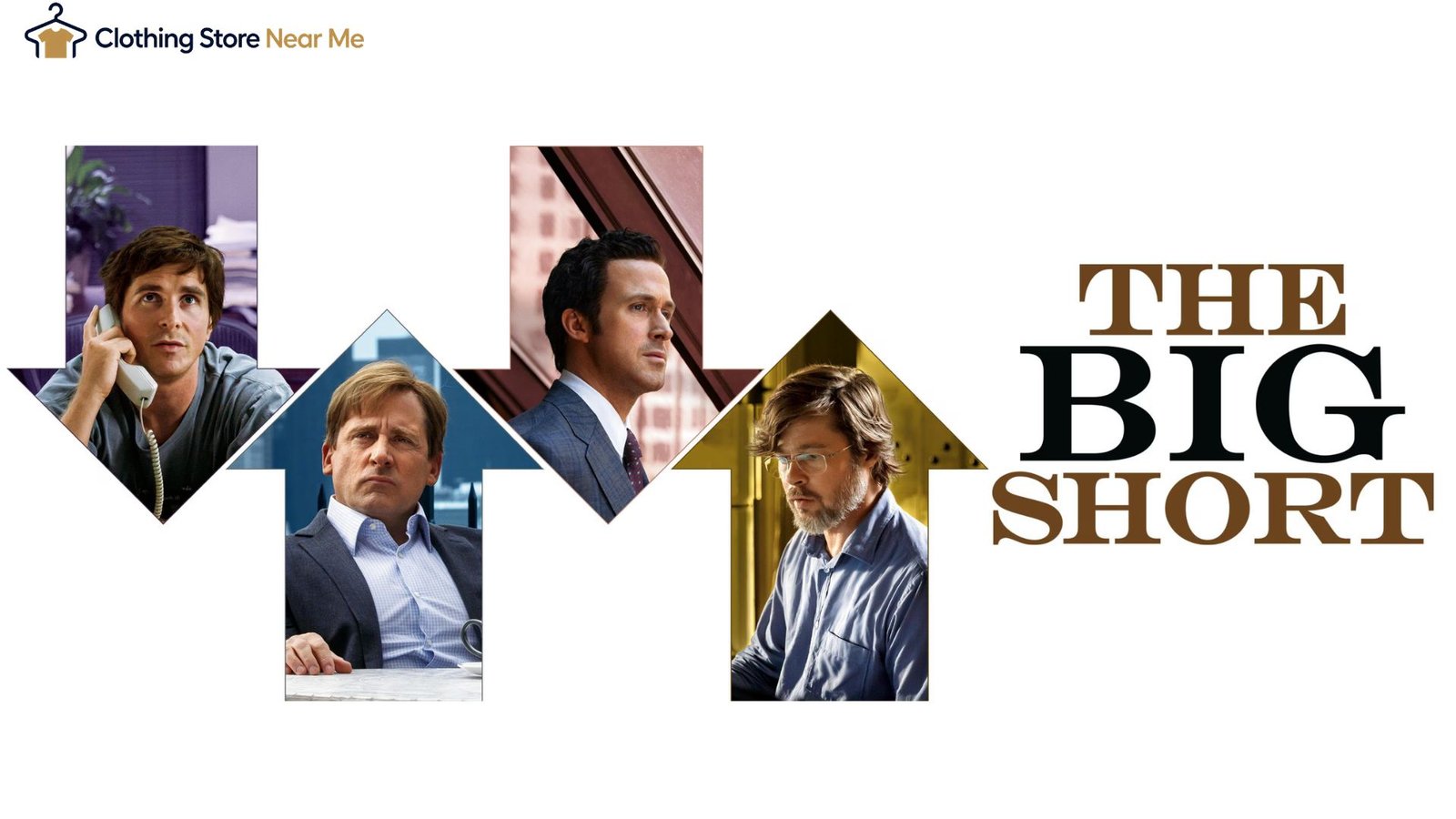
The Big Short Movie is a 2015 financial drama that explains one of the most complex economic events in modern history: the 2008 housing market collapse. Directed by Adam McKay and based on Michael Lewis’s nonfiction book, the film follows investors who recognized weaknesses in the mortgage system before most financial institutions understood the danger.
Rather than presenting the financial crisis as a simple story about numbers and banks, The Big Short Movie focuses on the people who discovered the risks hidden inside mortgage-backed securities. The film combines drama, humor, and educational explanations to make complicated financial concepts easier for general audiences to understand.
The movie appeals to viewers interested in finance, economics, business history, Wall Street culture, and real-world stories of risk-taking. It also raises important questions about regulation, accountability, and how financial systems can fail.
The Big Short Movie: Story and Background
The film takes place during the years leading up to the 2008 financial crisis, when the United States housing market appeared extremely strong. Banks were approving large numbers of mortgages, including risky loans given to borrowers who had limited ability to repay them.
A small group of investors began studying the housing market and noticed warning signs. They discovered that many mortgage loans were unstable and that financial products connected to those loans were far riskier than investors believed.
The story follows several groups who decided to bet against the housing market. Their strategy, known as “shorting” the market, meant they would profit if the value of certain financial products collapsed.
The movie presents this unusual investment decision through the experiences of characters based on real people, including hedge fund managers, traders, and financial analysts who challenged the confidence of major financial institutions.
Key Characters and Cast Performances
The strength of the film comes from its talented ensemble cast. Each character represents a different perspective on the financial crisis, from skeptical investors to professionals working inside the financial system.
| Character | Actor | Role in the Story |
|---|---|---|
| Michael Burry | Christian Bale | A hedge fund manager who identifies problems in mortgage investments |
| Mark Baum | Steve Carell | A skeptical investor investigating Wall Street practices |
| Jared Vennett | Ryan Gosling | A banker who explains the opportunity created by the housing collapse |
| Charlie Geller | John Magaro | A young investor who discovers the housing market risks |
| Ben Rickert | Brad Pitt | A former trader who helps younger investors understand the consequences |
Christian Bale’s performance as Michael Burry highlights the personality of an investor who relies heavily on research and independent thinking. Steve Carell brings emotional depth to Mark Baum, showing frustration toward the financial system and its lack of accountability.
Ryan Gosling’s character acts as a guide for the audience, helping explain financial terms and connecting different parts of the story.
How the Movie Explains the 2008 Financial Crisis
One of the biggest achievements of The Big Short Movie is its ability to explain complicated financial topics without making the audience feel lost. The film uses creative storytelling methods, including celebrity appearances and simple explanations, to describe concepts such as subprime mortgages, collateralized debt obligations, and credit default swaps.
The movie shows how risky mortgages were combined into financial products that received high ratings despite containing unstable loans. Many investors trusted these ratings and continued purchasing these securities without fully understanding the risks.
The film also explores how different parts of the financial industry contributed to the crisis, including lenders, banks, rating agencies, and investors. Instead of focusing on one individual mistake, it presents the crisis as a failure involving multiple parts of the financial system.
Themes Behind The Big Short Movie
Beyond finance, the film explores several broader themes that remain relevant today.
Questioning Popular Beliefs
The investors featured in the movie succeed because they challenge assumptions that everyone else accepts. While the market believes housing prices will continue rising, they investigate the underlying data and find evidence that suggests otherwise.
This theme highlights the importance of independent research and critical thinking, especially in industries where confidence can sometimes replace careful analysis.
Risk, Greed, and Responsibility
The movie examines how financial incentives influenced decisions across Wall Street. Many institutions continued creating and selling risky products because the short-term rewards were attractive.
The story does not simply focus on financial losses; it explores the human decisions behind those losses and the consequences for ordinary people affected by the crisis.
Making Complex Topics Accessible
Financial films often struggle to balance accuracy with entertainment. This movie succeeds by turning complicated economic issues into a story about personalities, conflicts, and discoveries.
💡 Pro Tip:
If you watch The Big Short Movie for the first time, pause after major explanations of financial terms and research the concepts separately. Understanding mortgage-backed securities and credit default swaps will make the story much clearer.
Why The Movie Became Popular
The film received strong attention because it combined an important historical event with an unusual storytelling approach. Instead of creating a traditional business drama, Adam McKay used humor and unconventional techniques to explain serious economic failures.
Its popularity also came from its relevance. Many viewers wanted to understand what caused the 2008 financial crisis and why major institutions failed to recognize the risks before the collapse.
The movie attracted both finance professionals and general audiences because it presented a complicated subject in an entertaining way.
Accuracy and Real-World Impact
Based on Michael Lewis’s book, the film closely follows the experiences of several investors who predicted the housing collapse. However, like many adaptations, some events and conversations were simplified or adjusted for storytelling purposes.
The core message remains focused on how certain investors identified weaknesses in the housing market while many others ignored warning signs.
The movie also encouraged wider public discussions about financial education, investment risks, and the importance of understanding economic systems.
📌 Key Takeaway
The Big Short Movie is more than a financial drama; it is an explanation of how complicated systems can fail when risk is overlooked. Its biggest lesson is the value of research, skepticism, and understanding what exists beneath market confidence.
Frequently Asked Questions
What is The Big Short Movie about?
The Big Short Movie tells the story of investors who predicted the collapse of the U.S. housing market before the 2008 financial crisis. It explains how risky mortgage practices and financial products contributed to one of the largest economic downturns in recent history.
Is The Big Short Movie based on a true story?
Yes, the film is based on real events and adapted from Michael Lewis’s book, “The Big Short: Inside the Doomsday Machine.” The movie dramatizes certain moments but follows the experiences of investors who recognized problems in the housing market.
Who directed The Big Short Movie?
The film was directed by Adam McKay, who is known for combining comedy and serious storytelling. The movie represented a shift in his filmmaking style by using humor to explain a major real-world financial event.
What financial concepts are explained in the movie?
The movie explains concepts including subprime mortgages, mortgage-backed securities, collateralized debt obligations, and credit default swaps. These terms describe financial products and practices connected to the housing market collapse.
Is The Big Short Movie worth watching for non-finance viewers?
Yes. Although the subject involves complex financial ideas, the film explains them through storytelling, humor, and character-driven scenes. Viewers do not need a finance background to understand the main events and lessons.
Conclusion
The Big Short Movie remains one of the most accessible films about the 2008 financial crisis because it transforms complicated economic failures into a human story about research, risk, and accountability. Its combination of strong performances and clear explanations makes it valuable for anyone interested in business, investing, or modern history.
The film’s lasting appeal comes from its reminder that major financial events often begin with smaller warning signs that many people ignore. Understanding those signals is one of the central lessons audiences can take from The Big Short Movie.
