

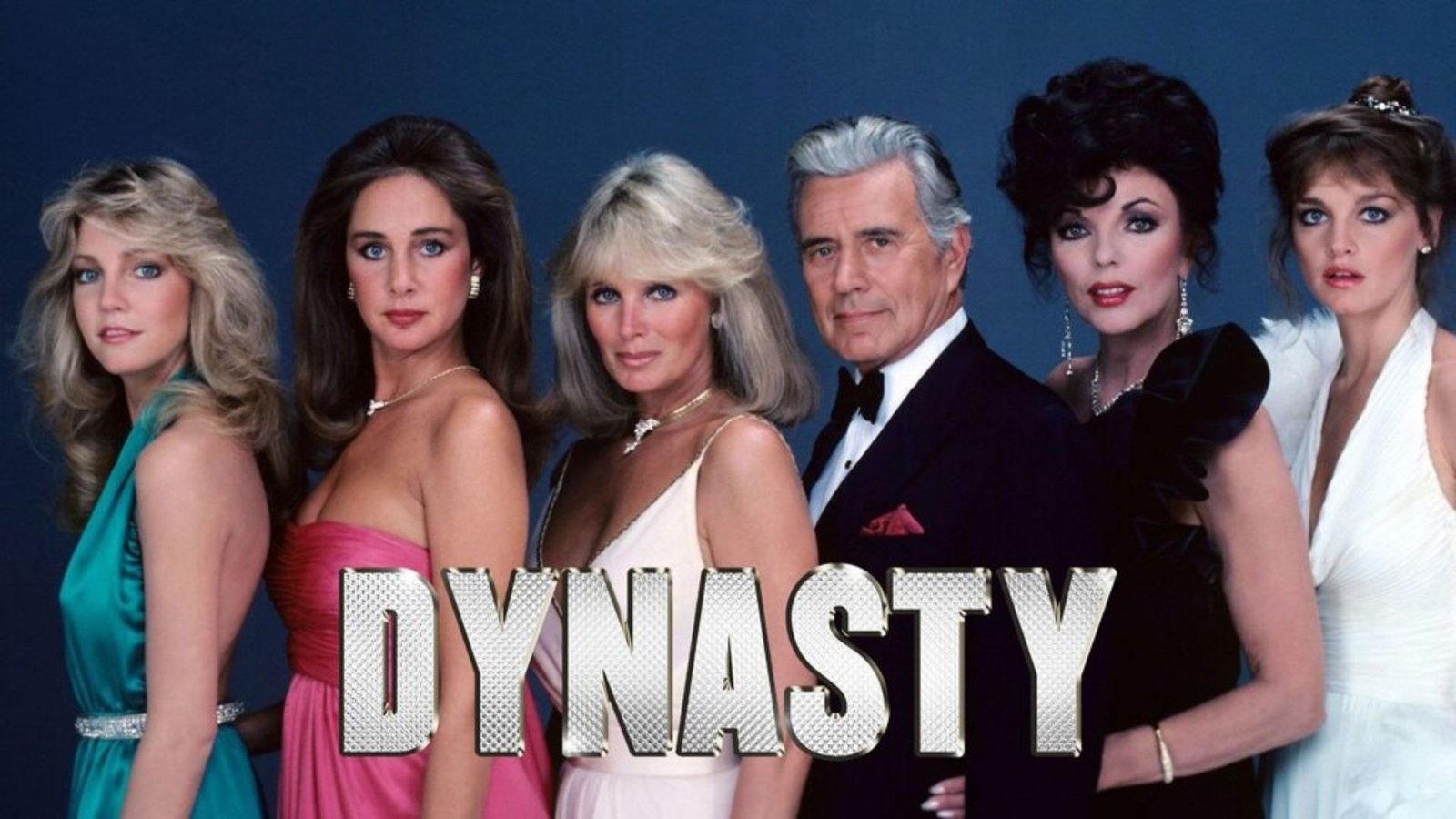
The word dynasty can describe a powerful royal family, a successful television franchise, or a fantasy sports team built to compete for years. Yet, with so many meanings, finding the right information can be confusing. This guide explains the major meanings of dynasty, explores famous historical ruling families, introduces popular entertainment titles, and explains how dynasty fantasy sports work. You will learn how to distinguish these topics and find the information most relevant to your interests.
What Does Dynasty Mean?
A dynasty is a succession of rulers from the same family or a group that maintains power and influence across generations. Historians often use the term to describe royal houses that governed countries, kingdoms, or empires.
In modern culture, the word has a broader meaning. People use it to describe influential families, long-running television dramas, and sports teams that remain competitive over several seasons.
Common uses include:
- History: The Ming, Qing, Han, and Tang dynasties of China.
- Television: Dynasty, the American drama that premiered in 1981.
- Reality entertainment: Duck Dynasty, a reality television series about the Robertson family.
- Fantasy sports: Dynasty football and basketball leagues, where managers retain players across seasons.
- Popular culture: The cast of Avengers: The Kang Dynasty, a Marvel Studios project title announced for a planned film.
Understanding the context helps you identify which meaning applies to your search.
Dynasty History: Why Did Dynasties Matter?
Historical dynasties shaped political systems, cultural traditions, trade routes, architecture, and military power. In China, successive ruling houses governed for different periods, introduced administrative reforms, supported artistic achievements, and faced challenges that eventually led to their decline.
A dynasty did not always pass power peacefully from one generation to the next. Rebellions, succession disputes, invasions, economic problems, and political corruption could weaken a ruling family and open the way for a new government.
Chinese Dynasties Explained: A Complete Comparison Table
The following table compares major Chinese dynasties, including the Shang, Qin, Han, Tang, Song, Yuan, Ming, and Qing. Dates are approximate for some early periods because historical evidence and dating conventions vary.
| Dynasty | Approximate period | Major contribution or feature |
|---|---|---|
| Shang | c. 1600–1046 BCE | Bronze work, oracle bones, early Chinese writing |
| Qin | 221–206 BCE | Political unification and standardized systems |
| Han | 206 BCE–220 CE | Government institutions, trade, and technological progress |
| Tang | 618–907 CE | Poetry, cosmopolitan culture, and international trade |
| Song | 960–1279 CE | Printing, commercial growth, and technological innovation |
| Yuan | 1271–1368 CE | Mongol rule and expanded Eurasian connections |
| Ming | 1368–1644 CE | Porcelain, architectural projects, and maritime expeditions |
| Qing | 1644–1912 CE | Territorial expansion followed by major internal and external challenges |
These periods were not identical in size, political structure, or influence. Each contributed to the long and complex history of China.
What Was the Shang Dynasty?
The Shang dynasty is one of the earliest Chinese dynasties supported by substantial archaeological evidence. Its society developed bronze technology, organized political authority, and early forms of Chinese writing.
Oracle bones are particularly important because they preserve inscriptions used in divination. Researchers study these inscriptions to learn about Shang rulers, religious practices, warfare, and social organization.
What Was the Qin Dynasty?
The Qin dynasty unified much of China in 221 BCE under Qin Shi Huang, often described as China’s first emperor. Although the dynasty lasted only a short time, its reforms influenced later imperial governments.
Its major developments included:
- Standardized writing and measurements.
- Changes to administration and political authority.
- Infrastructure projects connecting different regions.
- Early sections of defensive walls later associated with the Great Wall.
The Qin dynasty fell in 206 BCE after rebellions and political instability. Its brief rule nevertheless established an important model for centralized imperial government.
What Made the Han Dynasty Important?
The Han dynasty followed the Qin and became one of the most influential periods in Chinese history. Its rulers strengthened the imperial bureaucracy and expanded diplomatic and commercial connections.
The Silk Road helped connect China with Central Asia and other regions, supporting the exchange of goods, ideas, and technologies. Han-era developments in government, scholarship, and technology also influenced later Chinese society.
The Han dynasty is commonly divided into Western Han and Eastern Han periods, separated by the short-lived Xin dynasty.
How Did the Tang Dynasty Shape Chinese Culture?
The Tang dynasty is widely associated with cultural achievement, international trade, and flourishing literature. Its capital, Chang’an, attracted merchants, travelers, religious communities, and scholars from different parts of Asia.
Tang poetry became an enduring part of Chinese literary history. The period also saw strong connections across Eurasia, although political instability and rebellion weakened the dynasty in its later years.
What Was Special About the Song Dynasty?
The Song dynasty made major contributions to technology, commerce, and urban life. Its economy supported extensive internal trade, while printing and advances in navigation and military technology influenced later developments.
The dynasty is often discussed in connection with the spread of printing, the use of paper money, and the wider adoption of the compass for navigation. Its achievements coexisted with military pressures that eventually led to the end of the Southern Song in 1279.
How Were the Yuan, Ming, and Qing Dynasties Different?
The Yuan, Ming, and Qing dynasties each brought significant changes to China’s political and cultural history.
- Yuan dynasty: Established by the Mongol-led ruling house, it governed China during a period of extensive connections across Eurasia.
- Ming dynasty: Known for porcelain production, major construction projects, and the maritime expeditions associated with Zheng He.
- Qing dynasty: China’s last imperial dynasty, it expanded the empire’s territory but faced growing internal unrest and foreign pressure in later centuries.
The Qing dynasty ended in 1912, following the revolution that brought imperial rule in China to an end.
Dynasty vs. Empire: What Is the Difference?
A dynasty describes a succession of rulers from a family or ruling house. An empire describes a political entity that governs extensive territories and often includes multiple peoples or regions.
| Feature | Dynasty | Empire |
|---|---|---|
| Main meaning | Ruling succession or house | Political territory under imperial authority |
| Focus | Who holds power across generations | How territory and populations are governed |
| Duration | May continue across several reigns | May survive changes of ruling family |
| Example | Ming dynasty | Chinese Empire |
| Can they overlap? | Yes | Yes |
One empire can experience several dynasties. A dynasty can also rule a kingdom or another political structure that is not formally an empire.
What Is the Dynasty TV Series From 1981?

Dynasty is an American prime-time soap opera that premiered on ABC in 1981. Created by Richard and Esther Shapiro, the drama centers on the wealthy Carrington family and its business rivalries, romantic conflicts, inheritance disputes, and power struggles.
The series became known for glamorous fashion, dramatic confrontations, and complicated family relationships. Its original run lasted from 1981 to 1989.
Who Was in the Cast of Dynasty (1981 TV Series)?
Key original and prominent cast members
| Actor | Character | Role in the story |
|---|---|---|
| John Forsythe | Blake Carrington | Wealthy family patriarch |
| Linda Evans | Krystle Carrington | Blake’s wife |
| Joan Collins | Alexis Carrington | Blake’s former wife and rival |
| Pamela Sue Martin | Fallon Carrington | Blake’s daughter |
| Gordon Thomson | Adam Carrington | Blake’s son |
| Jack Coleman | Steven Carrington | Blake’s son |
| John James | Jeff Colby | Businessman connected to the Carrington family |
| Heather Locklear | Sammy Jo Carrington | A central character in the family’s personal conflicts |
The cast changed over the show’s run as characters entered, left, and returned. These are key cast members, not a complete list of every actor who appeared.
What Is Duck Dynasty, and Who Is in the Full Cast?
Duck Dynasty is a reality television series that follows the Robertson family, known for its duck-call business and outdoor lifestyle. A&E describes the program as following the family behind a sporting-goods business, with humor and family relationships central to the show.
Duck Dynasty Full Cast: Main Family Members
| Cast member | Known for |
|---|---|
| Phil Robertson | Family patriarch and duck-call entrepreneur |
| Kay Robertson | Family matriarch |
| Willie Robertson | Business leader and television personality |
| Korie Robertson | Family business and public appearances |
| Jase Robertson | Duck-call business and outdoor activities |
| Si Robertson | Humor, storytelling, and military background |
| Jep Robertson | Family business and television appearances |
| Missy Robertson | Family life and public appearances |
| Jessica Robertson | Family life and television appearances |
This table covers the principal family members listed in A&E’s cast information, rather than every guest or recurring participant.
The show became popular through its combination of family interactions, business activities, and rural Louisiana culture. It also expanded the Robertson family’s public profile beyond the original business.
What Is the Cast of Avengers: The Kang Dynasty?
The phrase Avengers: The Kang Dynasty refers to a Marvel Studios film title that was publicly announced in 2022 and appeared in Marvel’s 2023 theatrical schedule update.
However, a previously announced project title does not establish the film’s current official name or a confirmed final cast. Marvel’s plans and release schedules can change, so readers should distinguish an announced title from later confirmed production details.
When researching this project, check official Marvel announcements for:
- The current official film title.
- Confirmed returning actors.
- The release schedule.
- The story’s relationship to the wider Marvel Cinematic Universe.
Avoid treating rumored cast lists as confirmed information.
What Is Dynasty Fantasy Football?
Dynasty fantasy football is a league format in which managers keep most or all of their players from one season to the next. Unlike traditional redraft leagues, where managers usually select a new team every year, dynasty leagues reward long-term roster planning.
Managers must balance current performance with future potential. An experienced player may help win this season, while a promising rookie could become a valuable starter over several years.
A strong dynasty strategy involves:
- Evaluating player age, health, and expected role.
- Building depth at important positions.
- Trading players at the right time.
- Acquiring future rookie draft picks.
- Adjusting the roster to match the team’s championship window.
The goal is not simply to collect the highest-scoring players. It is to build a competitive roster that can remain valuable across multiple seasons.
How Does a Dynasty Trade Calculator Work?
A dynasty trade calculator estimates the relative value of players and draft picks in a proposed trade. It can help managers compare a deal involving several players against another package of assets.
For example, a manager might consider trading an established running back for a younger wide receiver and a future first-round rookie pick. A calculator assigns values to each side, helping the manager identify whether the exchange appears balanced.
A calculator is a decision-support tool, not a guarantee of future results. Player injuries, coaching changes, role changes, scoring rules, and individual team needs can all affect a trade’s real value.
How to Read a Dynasty Trade Value Chart
A dynasty trade value chart assigns numerical estimates to players and draft picks. Managers compare those values to evaluate possible trades.
| Asset | What affects its value | What to consider |
|---|---|---|
| Established quarterback | Passing production, age, starting security | Long-term role and league format |
| Young wide receiver | Age, target share, production, opportunity | Growth potential and consistency |
| Running back | Workload, health, age, team situation | Shorter career windows and replacement options |
| Rookie draft pick | Draft position, class strength, uncertainty | Future player selection opportunities |
| Tight end | Targets, scoring format, role | Positional scarcity and premium scoring rules |
| Veteran player | Current production and remaining career | Whether the team can compete now |
A trade value chart works best when it reflects your actual league settings. Values from a one-quarterback league may differ significantly from those in a Superflex league, where managers can start a second quarterback.
What Is a Dynasty Trade Analyzer?
A dynasty trade analyzer evaluates a proposed exchange using player rankings, estimated market values, league settings, and sometimes roster information. Depending on the tool, it may show which side has greater estimated value and explain the main factors behind the result.
Useful features include:
- Comparing two-team or multi-team trades.
- Evaluating current players against future draft picks.
- Adjusting values for PPR, Superflex, or tight-end premium scoring.
- Reviewing player age and positional needs.
- Comparing your trade with consensus opinions or recent transactions.
Before accepting a trade, check whether the analyzer uses current information and supports your league’s format. A favorable numerical result can still produce a poor outcome if it leaves your roster without a reliable starter.
What Are Dynasty Rankings?
Dynasty rankings order fantasy players according to their projected value over multiple seasons rather than focusing exclusively on the next game or season.
These rankings help managers identify trade targets, compare players at different ages, and plan roster changes. However, different analysts may rank the same player differently because they use different projections, risk assumptions, and valuation methods.
When reviewing dynasty rankings, consider:
- Long-term production: Is the player likely to remain productive?
- Age and career stage: How much useful playing time might remain?
- Opportunity: Is the player likely to maintain a starting role?
- League settings: Does your scoring format increase the player’s value?
- Team direction: Are you trying to win now or rebuild for the future?
Use rankings as a starting point rather than an automatic instruction to buy or sell a player.
How Do Dynasty Rookie Rankings Help Managers?
Dynasty rookie rankings evaluate incoming players before or after their first professional season. In fantasy football, they help managers prepare for rookie drafts and estimate the potential value of newly drafted players.
A useful ranking process considers several factors:
- College production and competition level.
- Professional draft capital.
- Athletic traits and positional skills.
- Expected team role.
- Opportunity to earn playing time.
- Long-term development and uncertainty.
Rookie rankings are especially useful when comparing draft picks, but they cannot eliminate the risk of selecting a player who struggles to adapt to the professional game.
How to Build a Dynasty Fantasy Team
A successful team needs a plan that fits its current roster and competitive position. Managers should avoid making trades simply because a player appears high on a rankings list.
Use this practical approach:
- Assess the roster: Identify reliable starters, promising younger players, and weak positions.
- Set a timeline: Decide whether the team is competing immediately or rebuilding.
- Protect valuable assets: Avoid trading away elite players without a compelling return.
- Target future picks: Use draft capital to create options for upcoming seasons.
- Track market changes: Review player values after major injuries, coaching changes, and role adjustments.
- Reassess regularly: Update the plan when the roster or league standings change.
The strongest approach balances long-term value with realistic opportunities to win.
What Does Dynasty Mean in Other Games and Entertainment?
The word dynasty appears in several unrelated games and entertainment franchises. Searchers should identify the intended title before applying historical or fantasy sports information.
Medieval Dynasty
Medieval Dynasty is a medieval-themed survival and settlement-building game. Players develop a community, gather resources, manage relationships, and build a family legacy over time. Its use of the word dynasty emphasizes generational continuity rather than a historical Chinese ruling house.
Dynasty in Basketball and Other Sports
In sports, a dynasty generally describes a team that wins championships or remains dominant over an extended period. The term is often applied retrospectively after repeated success establishes a team’s legacy.
Sports dynasties differ from fantasy dynasty leagues: the former describes real-world competitive dominance, while the latter describes a league format that preserves fantasy rosters across seasons.
McBee Dynasty
The McBee Dynasty: Real American Cowboys is a reality television series centered on the McBee family and its ranching business. It explores family relationships, business pressure, and the challenges of maintaining a multigenerational operation.
How to Choose the Right Dynasty Resource
The most useful resource depends on what you want to learn. A history student needs reliable historical references, while a television fan needs cast information and a fantasy manager needs current player valuations.
| Your goal | Best resource type | Information to verify |
|---|---|---|
| Learn about Chinese dynasties | Academic histories and museums | Dates, rulers, primary evidence |
| Research the 1981 TV series | Network archives and cast databases | Original cast and episode details |
| Find Duck Dynasty cast members | A&E’s official cast page | Listed family members |
| Research a Marvel film | Official Marvel announcements | Current title and confirmed cast |
| Evaluate a fantasy trade | Dynasty calculator and rankings | Scoring format and update date |
| Compare rookie prospects | Fantasy football analysts | Draft capital and role projections |
| Learn about Medieval Dynasty | Official game information | Gameplay and current features |
For accurate results, prioritize primary sources for historical and entertainment facts. For fantasy sports, compare more than one valuation model and consider your league’s actual scoring rules.
Frequently Asked Questions
1. What is a dynasty in simple words?
A dynasty is a family or ruling house that holds power across generations. The word also describes long-lasting success in sports, television, and business. Its exact meaning depends on context: a historical dynasty concerns succession and government, while a fantasy dynasty league lets managers keep players across multiple seasons.
2. What are the most famous Chinese dynasties?
The Shang, Qin, Han, Tang, Song, Yuan, Ming, and Qing are among the best-known Chinese dynasties. Each shaped China’s history through political institutions, cultural achievements, economic changes, or military developments. The Qing dynasty was the last imperial dynasty, ending in 1912.
3. Who starred in the original Dynasty TV series?
The original Dynasty series featured John Forsythe as Blake Carrington, Linda Evans as Krystle Carrington, and Joan Collins as Alexis Carrington. Other notable cast members included Pamela Sue Martin, Gordon Thomson, Jack Coleman, and Heather Locklear. The cast evolved throughout the show’s original run from 1981 to 1989.
4. What is the difference between dynasty and redraft fantasy football?
In a dynasty league, managers retain their players across seasons and build for long-term success. In a redraft league, managers generally select a new roster each season. Dynasty formats place greater emphasis on player age, future production, rookie selections, and long-term roster planning.
5. How do I use a dynasty trade calculator?
Add the players and draft picks each team would give up and receive, then select the appropriate scoring format. Review the estimated values and any trade analysis. Before accepting a deal, consider player roles, age, roster needs, and future potential because a calculator cannot predict every outcome.
6. Is Avengers: The Kang Dynasty still the official movie title?
Marvel publicly announced Avengers: The Kang Dynasty as a film title, but an earlier announcement alone does not establish the current official title. Check Marvel Studios’ latest announcements before relying on the name, cast, or release date. Treat unverified reports and rumored casting as speculation.
Conclusion: Understand the Meaning of Dynasty
The term dynasty connects history, entertainment, gaming, and sports through the ideas of legacy, continuity, and influence. From the Shang and Qing dynasties to Duck Dynasty, the original Dynasty television drama, and fantasy football roster management, each subject has its own history and audience.
For the most useful results, identify the context behind your search, check trustworthy sources, and compare information carefully. Whether you are studying historical rulers, researching a television cast, or evaluating a fantasy trade, understanding the meaning of dynasty is the first step toward making informed decisions.
Which type of dynasty interests you most: history, television, gaming, or fantasy sports? Focusing on the right category will help you find more relevant information and make your next search more productive.
