

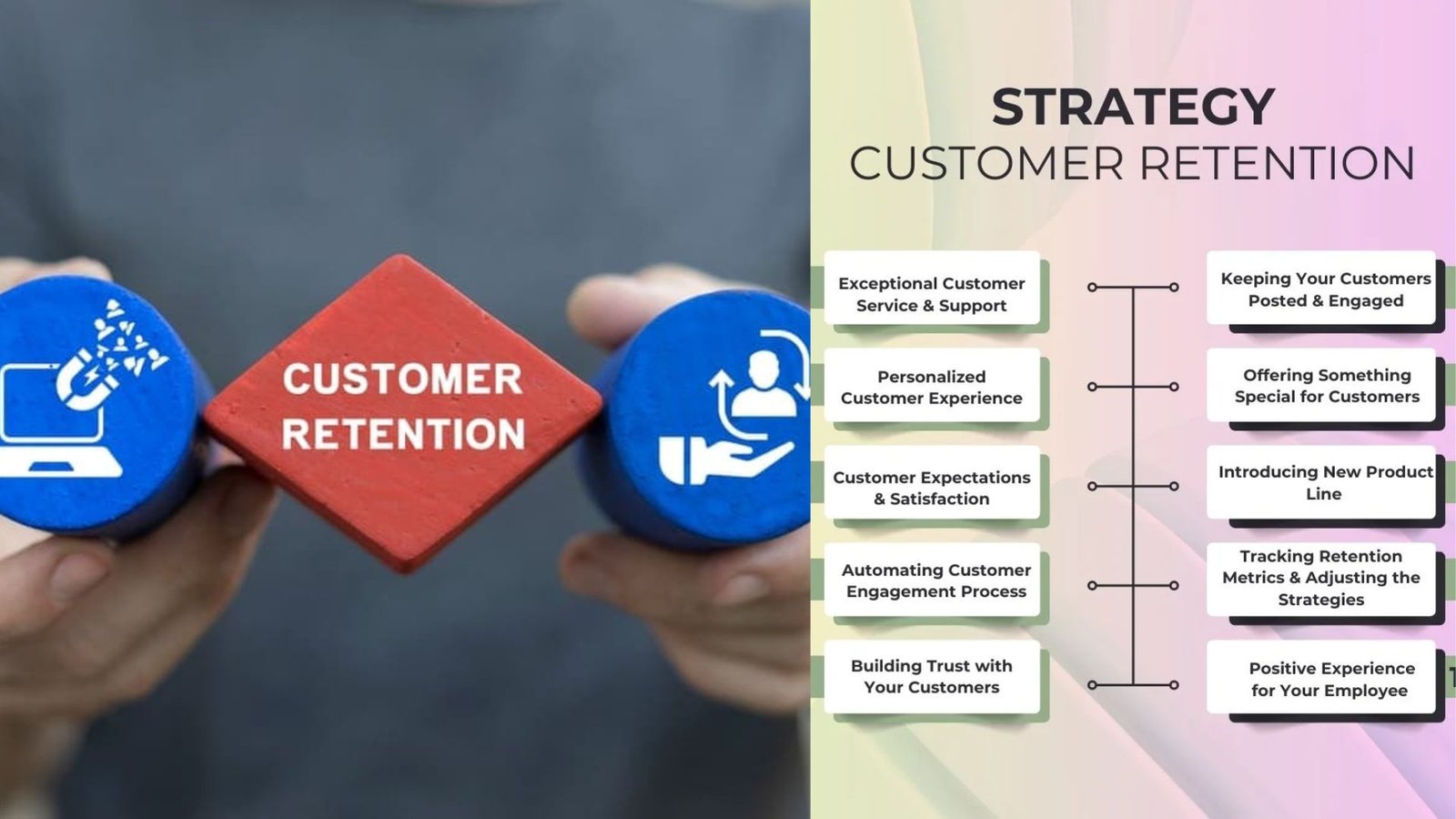
Customer loyalty does not happen by accident. Businesses that consistently keep customers understand their needs, deliver value beyond the initial purchase, and create experiences that encourage repeat engagement. Effective customer retention strategies help companies reduce customer churn, strengthen relationships, and improve the long-term value of every customer.
Retention focuses on giving existing customers strong reasons to stay. While acquiring new buyers is essential for growth, maintaining relationships with current customers often requires a different approach based on trust, communication, personalization, and consistent service quality.
Why Customer Retention Matters for Business Growth
Customer retention is the ability of a company to keep customers returning over time. A retained customer is more likely to purchase again, recommend a brand to others, and develop a deeper connection with the business.
Many companies focus heavily on acquisition because new customers are easy to measure. However, a strong retention program protects revenue by reducing the number of customers who leave. It also provides valuable insights because existing customers can offer feedback about products, services, and overall experiences.
Businesses across industries use customer retention strategies to improve satisfaction and create stronger customer relationships. These strategies are especially important in competitive markets where customers have many alternatives.
Key Customer Retention Strategies That Deliver Results
Successful retention requires more than occasional discounts or promotional emails. Companies need systems that consistently improve the customer journey.
| Strategy | How It Helps | Best Practice |
|---|---|---|
| Personalized communication | Makes customers feel understood | Use customer data responsibly to tailor messages |
| Customer support improvement | Builds trust during important interactions | Offer fast, helpful solutions |
| Loyalty programs | Encourages repeat purchases | Reward meaningful engagement |
| Feedback collection | Reveals customer expectations | Act on useful suggestions |
| Customer education | Increases product value | Provide guides, tutorials, and resources |
1. Personalize the Customer Experience
Customers respond positively when brands understand their preferences and challenges. Personalization can include relevant product recommendations, customized messages, useful reminders, and content based on previous interactions.
The goal is not simply to use a customer’s name in an email. Strong personalization involves delivering information that is genuinely useful at the right moment.
Businesses should collect and analyze customer behavior carefully while respecting privacy expectations. Responsible use of customer information can improve engagement without creating discomfort.
2. Create Reliable Customer Support
Customer service often determines whether a buyer stays or searches for another provider. A single negative experience can damage trust, while a helpful response can strengthen a relationship.
Companies should make support easy to access through appropriate channels such as email, phone, live chat, or self-service resources. Employees should be trained to solve problems rather than simply close support tickets.
Quick responses matter, but quality matters too. Customers remember how a company handled their concerns.
3. Build a Meaningful Loyalty Program
Loyalty programs remain one of the practical customer retention strategies because they give customers additional reasons to continue engaging with a brand.
However, effective programs should offer more than basic points. Customers appreciate rewards that match their interests, such as exclusive access, useful benefits, personalized offers, or recognition for continued support.
A loyalty program should feel valuable rather than complicated. If customers cannot easily understand how rewards work, participation may decline.
💡 Pro Tip
Review your customer data regularly to identify early signs of dissatisfaction, such as reduced engagement, fewer purchases, or declining usage. Reaching out before a customer leaves can create an opportunity to rebuild trust.
Improve Retention Through Customer Feedback
Customer feedback provides direct information about what works and what needs improvement. Surveys, reviews, support conversations, and customer interviews can reveal patterns that internal teams may overlook.
Collecting feedback alone is not enough. Businesses need to demonstrate that they listen by making visible improvements. When customers see their opinions influencing decisions, they often develop greater confidence in the brand.
Feedback can also help identify product issues, service gaps, and opportunities for innovation. Companies that use feedback effectively are better positioned to maintain strong customer relationships.
Avoid Common Retention Mistakes
Even well-planned retention efforts can fail if businesses focus on the wrong priorities. Common mistakes include:
- Communicating only when trying to sell something
- Offering generic experiences to every customer
- Ignoring complaints or negative reviews
- Making loyalty programs difficult to use
- Failing to measure customer satisfaction
Strong retention depends on ongoing relationship management. Customers should feel valued throughout the entire journey, not only during the purchase stage.
Measure the Success of Retention Efforts
Tracking performance helps businesses understand whether their customer retention strategies are working. Important measurements may include customer retention rate, repeat purchase frequency, customer lifetime value, churn rate, and satisfaction scores.
The right metrics depend on the business model. A subscription company may focus heavily on churn, while a retail business may prioritize repeat purchases and customer frequency.
Regular measurement allows companies to adjust their approach and invest in methods that create the greatest impact.
📌 Key Takeaway
The strongest customer relationships come from consistent value, reliable service, and genuine understanding of customer needs. Businesses that apply customer retention strategies with a customer-first mindset can create loyalty that supports sustainable growth.
Frequently Asked Questions
What are the most effective ways to retain customers?
The most effective approaches include improving customer service, personalizing experiences, collecting feedback, creating valuable loyalty programs, and maintaining consistent communication. Retention works best when businesses understand customer expectations and continuously improve the overall experience.
Why is customer retention important for small businesses?
Customer retention is especially valuable for small businesses because loyal customers often provide repeat revenue and referrals. Building strong relationships can help smaller companies compete by creating trust and personal connections that larger competitors may struggle to replicate.
How can businesses reduce customer churn?
Businesses can reduce churn by identifying customer concerns early, improving product quality, offering responsive support, and analyzing customer behavior. Understanding why customers leave allows companies to address problems before they become permanent reasons for cancellation.
What role does technology play in customer retention?
Technology helps businesses organize customer information, automate communication, analyze behavior, and provide faster support. Customer relationship management systems and analytics tools can help companies deliver more relevant experiences while maintaining efficient operations.
How often should companies review their retention strategies?
Companies should review their retention approach regularly because customer expectations, competition, and market conditions change. Monthly or quarterly reviews of customer feedback, performance metrics, and engagement patterns can help businesses make timely improvements.
Conclusion
Long-term business success depends on more than attracting new buyers. Companies that understand customer needs and consistently deliver value are more likely to maintain strong relationships. Well-planned customer retention strategies help organizations improve loyalty, increase customer lifetime value, and create a foundation for sustainable growth.
