

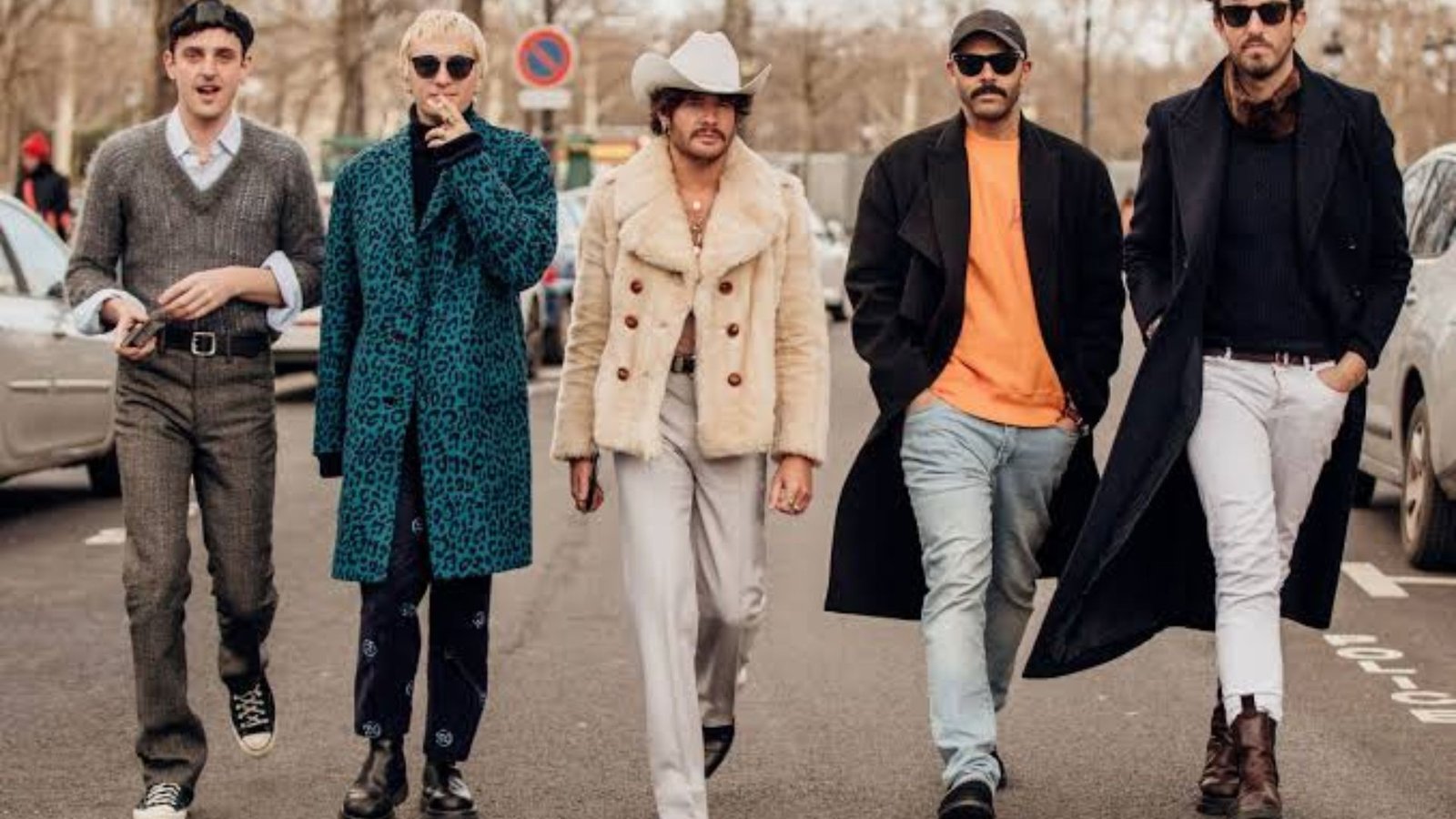
Clothing can change how you look, feel, and present yourself without spending a fortune. Yet choosing the right outfits, colors, shoes, and accessories can feel confusing when trends change every season. The right men’s fashion choices make dressing easier by combining comfort, personal taste, and practical styling. Whether you prefer classic outfits, modern streetwear, vintage clothing, or smart casual looks, this guide explains how to build a stylish wardrobe that works for everyday life in 2026.
What Is Men’s Fashion and Why Does Personal Style Matter?
Men’s fashion covers clothing, footwear, accessories, grooming-related styling, and the different ways men express their personalities through appearance. It includes everything from traditional suits and dress shirts to casual jeans, hoodies, sneakers, and contemporary streetwear.
Fashion is not simply about wearing expensive brands or following every trend. It is about choosing clothes that fit properly, suit your lifestyle, and help you feel comfortable and confident.
A practical wardrobe can help you:
- Dress confidently for work, social events, and everyday activities.
- Create more outfits with fewer clothing pieces.
- Choose clothes that complement your body shape.
- Avoid unnecessary shopping and spending.
- Express your personality through colors, textures, and accessories.
The best personal style combines comfort, quality, confidence, and individuality.
What Are Men’s Fashion Trends in 2026?
Quick answer: Relaxed tailoring, wider trousers, textured knitwear, earthy colors, suede jackets, classic loafers, slimmer retro sneakers, and versatile accessories are among the notable men’s fashion trends 2026.
The current direction of menswear balances traditional clothing with modern comfort. Instead of wearing overly tight outfits or relying on large logos, many contemporary looks emphasize quality fabrics, wearable silhouettes, thoughtful layering, and understated details.
Top Men’s Fashion Trends 2026
| Fashion Trend | Description | How to Wear It |
|---|---|---|
| Relaxed tailoring | Comfortable jackets and trousers | Pair a relaxed blazer with straight-leg trousers |
| Wide-leg trousers | Roomier trousers with a natural drape | Wear with fitted or relaxed shirts |
| Earthy colors | Brown, olive, beige, cream and rust | Combine neutral colors for a balanced outfit |
| Textured knitwear | Sweaters, knitted polos and cardigans | Layer over a shirt or wear with denim |
| Suede jackets | Soft jackets with a textured finish | Combine with chinos or straight jeans |
| Retro sneakers | Low-profile, classic sneaker silhouettes | Wear with jeans, chinos or casual trousers |
| Loafers | Versatile leather or suede footwear | Style with tailored trousers or dark denim |
| Casual layering | Overshirts, lightweight jackets and vests | Layer over T-shirts or knitwear |
| Denim outfits | Straight-leg jeans and denim jackets | Mix different denim shades |
| Minimal accessories | Simple watches, belts and jewelry | Add one or two accessories to complete the outfit |
These are wearable style directions, not universal rules. Trends differ by location, season, budget and personal taste.
How to Build a Stylish Men’s Wardrobe
A good wardrobe does not need hundreds of items. Start with clothing that matches, fits comfortably, and works for several occasions. A few carefully selected pieces can create dozens of combinations.
Essential Clothing Pieces Every Man Should Own
| Clothing Item | Recommended Colors | Best Use |
|---|---|---|
| Basic T-shirts | White, black, gray | Everyday outfits |
| Oxford shirts | White, light blue | Work and smart casual looks |
| Jeans | Dark blue, black | Casual and weekend outfits |
| Chinos | Beige, navy, olive | Smart casual dressing |
| Blazer | Navy, charcoal | Events and business casual |
| Knit sweater | Cream, gray, brown | Layering and colder weather |
| Overshirt | Olive, navy, beige | Casual layering |
| Leather jacket | Black, brown | Casual and streetwear |
| Dress trousers | Gray, black, navy | Formal and professional outfits |
| Casual sneakers | White, gray, black | Everyday footwear |
| Loafers | Brown, black | Smart casual occasions |
| Belt | Black, brown | Everyday styling |
Wardrobe tip: Choose colors that work together. Neutral clothing makes it easier to mix and match outfits without purchasing a new item for every occasion.
How to Dress Stylishly for Different Occasions
Men’s fashion becomes easier when you understand how to dress for different settings. You can adjust your appearance using the same wardrobe by changing footwear, outerwear, and accessories.
| Occasion | Outfit Ideas | Footwear |
|---|---|---|
| Everyday wear | T-shirt, jeans and jacket | Sneakers |
| Office | Oxford shirt and chinos | Loafers |
| Formal event | Suit, dress shirt and tie | Oxford shoes |
| Weekend outing | Overshirt and straight-leg jeans | Retro sneakers |
| Dinner date | Knit polo and tailored trousers | Loafers |
| Travel | Comfortable pants and layered shirt | Walking sneakers |
| Summer | Linen shirt and lightweight trousers | Espadrilles or loafers |
| Winter | Sweater, coat and denim | Boots |
Casual Outfits
Casual dressing is about simplicity and comfort. A plain T-shirt, well-fitted jeans, and clean sneakers create a reliable outfit for shopping, meeting friends, or traveling.
Other casual combinations include:
- Hoodie with straight-leg jeans.
- Polo shirt with chinos.
- Overshirt with a basic T-shirt.
- Denim jacket with neutral trousers.
- Knit sweater with dark jeans.
Smart Casual Outfits
Smart casual clothing sits between relaxed everyday wear and formal dressing. It is useful for restaurants, offices, family events, meetings, and occasions where a full suit may feel unnecessary.
Try these combinations:
- Navy blazer, white shirt and beige chinos.
- Knit polo, dark trousers and loafers.
- Button-down shirt, dark jeans and leather shoes.
- Lightweight sweater, tailored pants and a simple watch.
Formal Outfits
For formal occasions, focus on clean tailoring, balanced colors, and polished footwear. A navy or charcoal suit, white dress shirt, matching belt, and classic dress shoes create an elegant appearance.
Choose clothing that fits properly around the shoulders, chest, waist, and trousers. Proper alterations often make a basic suit look more refined than an expensive suit with poor fit.
Men’s Fashion for Larger Body Types: How to Dress Confidently
Fashion is for every body shape. Men’s fashion for larger body types should prioritize comfortable movement, appropriate proportions, quality fabrics, and personal preference rather than restrictive rules.
The goal is to find clothes that fit well, not to hide your body.
Practical Styling Tips
- Choose the correct size: Clothes should feel comfortable without excessive pulling or sagging.
- Try structured clothing: Jackets with clean shoulders can create a balanced silhouette.
- Use vertical layering: Open overshirts, lightweight jackets and cardigans can add visual structure.
- Select suitable trousers: Straight-leg or relaxed-fit trousers offer comfortable movement.
- Choose breathable fabrics: Cotton, linen blends and lightweight materials can feel more comfortable.
- Wear colors you enjoy: Dark, light and bright colors all work when styled thoughtfully.
Avoid assuming that oversized clothing always provides a better fit. The right proportions matter more than simply buying a larger size.
Men’s Fashion Trends for Brunettes: Which Colors Work Best?
Hair color can be one consideration when choosing clothing colors, although skin undertone, personal taste, lighting and contrast also influence how colors appear.
Men’s fashion trends for brunettes often include rich colors and earthy shades that complement dark hair, but there is no single color palette that suits every brunette.
| Color | Styling Idea | Outfit Example |
|---|---|---|
| Navy | Classic and versatile | Navy shirt with gray trousers |
| Olive green | Natural and relaxed | Olive jacket with black jeans |
| Burgundy | Rich and expressive | Burgundy sweater with dark denim |
| Cream | Soft and elegant | Cream knitwear with brown trousers |
| Chocolate brown | Warm and sophisticated | Brown jacket with beige chinos |
| Charcoal | Modern and understated | Charcoal blazer with white shirt |
| Forest green | Deep and stylish | Green overshirt with denim |
Try different shades in natural light and choose the ones you enjoy wearing.
Men’s Fashion Sneakers: Which Shoes Should You Choose?
Sneakers have become an important part of everyday wardrobes. They can complement casual outfits, relaxed tailoring, denim, chinos, and even some business-casual looks.
Best sneaker styles to consider:
- White leather sneakers: Clean, versatile and suitable for many casual outfits.
- Retro sneakers: Inspired by classic athletic footwear with a vintage appearance.
- Minimal sneakers: Simple designs that work with jeans and smart casual clothing.
- Canvas sneakers: Lightweight and suitable for casual summer outfits.
- Running sneakers: Designed for athletic use, walking and comfort depending on the model.
- Suede sneakers: Add texture and work well with chinos and casual trousers.
When choosing men’s fashion sneakers, consider comfort, durability, color, sole design, and the occasions for which you will wear them.
Men’s Fashion Accessories and Jewelry: How to Complete an Outfit
Accessories can transform simple clothing into a more personal outfit. They add details without requiring you to replace your entire wardrobe.
Popular Men’s Fashion Accessories
| Accessory | Purpose | Styling Tip |
|---|---|---|
| Watches | Practical and stylish | Match the watch to your outfit |
| Belts | Complete trousers and outfits | Coordinate with footwear when appropriate |
| Sunglasses | Eye protection and styling | Choose a shape that feels comfortable |
| Hats | Practical and fashionable | Use caps or classic hats for casual outfits |
| Scarves | Warmth and texture | Choose wool or lighter fabrics according to the season |
| Wallets | Everyday functionality | Prefer practical, compact designs |
| Bags | Carry everyday essentials | Choose backpacks, totes or briefcases based on your needs |
Men’s Fashion Rings and Jewelry
Men’s fashion rings, necklaces, bracelets and earrings can add personality to simple outfits.
Popular jewelry choices include:
- Minimalist silver rings.
- Gold-colored rings.
- Leather bracelets.
- Simple chain necklaces.
- Metal watches.
- Small hoop or stud earrings.
Men’s fashion jewelry looks balanced when you avoid adding too many statement pieces at once. A watch, one ring and a simple necklace can create a polished look without overwhelming your outfit.
Japanese Men’s Fashion: Why Is It So Popular?
Japanese men’s fashion combines creativity, layering, craftsmanship, practical design and a strong appreciation for clothing details. Depending on the style, it may feature minimalist outfits, workwear, streetwear, oversized silhouettes, traditional influences or experimental clothing.
Popular Japanese Menswear Styles
| Style | Main Features | Outfit Ideas |
|---|---|---|
| Japanese minimalism | Simple colors and clean silhouettes | Black trousers, plain shirt and sneakers |
| Streetwear | Oversized clothing and graphic pieces | Loose hoodie, wide jeans and sneakers |
| Workwear | Functional clothing and durable fabrics | Chore jacket, utility trousers and boots |
| Techwear | Practical details and performance-inspired materials | Technical jacket and cargo trousers |
| Vintage-inspired style | Older silhouettes and textured fabrics | Washed denim, knitwear and retro shoes |
| Contemporary tailoring | Relaxed, structured clothing | Loose blazer, wide trousers and loafers |
Japanese style is not one uniform. It includes many different clothing traditions and contemporary fashion communities.
1920’s Men’s Fashion: What Did Men Wear?
1920’s men’s fashion reflected a period of changing social attitudes, entertainment culture and everyday dressing. Men increasingly embraced lighter daytime clothing, softer collars, different suit cuts and more relaxed styles.
Popular Men’s Clothing in the 1920s
- Three-piece suits.
- Waistcoats and suspenders.
- Oxford bag trousers.
- Plus-four trousers for sporting and country wear.
- Flat caps and boater hats.
- Two-tone dress shoes.
- Knitted sweaters.
- Soft-collar shirts.
The decade is remembered for elegant tailoring, wider trousers, patterned fabrics and formal accessories. Modern vintage outfits can recreate the era using wide-leg trousers, suspenders, waistcoats and classic dress shoes.
1950’s Men’s Fashion: Classic Style and Rebellion
1950’s men’s fashion combined traditional clothing with youthful influences from music, cinema and popular culture. The decade helped establish several casual pieces that remain popular today.
Popular 1950s Outfits
| Clothing | Style |
|---|---|
| Leather jackets | Motorcycle-inspired clothing |
| White T-shirts | Simple everyday wear |
| Denim jeans | Casual and youthful outfits |
| Bowling shirts | Relaxed social clothing |
| Cardigan sweaters | Traditional and casual styling |
| Loafers | Classic casual footwear |
| Slim trousers | Neat, streamlined silhouettes |
A classic 1950s-inspired outfit can include a white T-shirt, dark denim jeans, a leather jacket and simple boots or sneakers.
1970s Men’s Fashion: How to Wear Retro Style Today
1970s men’s fashion was expressive, colorful and diverse. Clothing featured wider collars, flared trousers, textured fabrics, bold prints, denim and distinctive accessories.
Important 1970s Style Elements
- Flared trousers.
- Wide shirt collars.
- Corduroy jackets.
- Denim jackets.
- Patterned shirts.
- Turtleneck sweaters.
- Wide belts.
- Suede jackets.
- Platform footwear.
You can modernize the decade by wearing one retro-inspired piece at a time. Try flared trousers with a plain shirt or a suede jacket with modern jeans instead of copying an entire vintage outfit.
Men’s Fashion Trends Jorts: Are Denim Shorts Stylish?
Jorts, or denim shorts, have returned to many casual wardrobes. They offer a relaxed option for summer, vacations, outdoor activities and everyday streetwear.
How to Style Jorts
| Jorts Style | What to Wear With Them |
|---|---|
| Straight-leg jorts | Plain T-shirt and sneakers |
| Loose jorts | Oversized shirt and casual footwear |
| Dark denim jorts | Polo shirt and loafers |
| Light-wash jorts | Graphic T-shirt and canvas sneakers |
| Longer jorts | Relaxed hoodie or overshirt |
Choose a length that feels comfortable and works with your footwear. Jorts can be styled in simple, modern outfits without needing elaborate accessories.
Men’s Fashion Brands: How to Choose the Right Clothing Labels
Men’s fashion brands offer different approaches to price, quality, design, comfort and clothing categories. A good purchasing decision depends on what you need rather than the popularity of a label.
Categories of Men’s Fashion Brands
| Brand Category | What It Offers | What to Consider |
|---|---|---|
| Budget fashion brands | Affordable everyday clothing | Fabric quality and durability |
| Premium casual brands | Refined everyday pieces | Price and versatility |
| Luxury fashion brands | Designer clothing and accessories | Craftsmanship and value |
| Sportswear brands | Athletic and casual clothing | Comfort and intended use |
| Tailoring brands | Suits, jackets and dress trousers | Fit and alterations |
| Streetwear brands | Contemporary casual styles | Design and everyday practicality |
Examples of widely recognized clothing and footwear brands include Nike, Adidas, Levi’s, Uniqlo, Ralph Lauren, Zara, H&M, COS, New Balance, ASICS, Patagonia and Gucci.
Brand examples are illustrative, not an endorsement or ranking.
When shopping, inspect stitching, fabric composition, sizing, care instructions and how the item fits your existing wardrobe.
Men’s Fashion Magazine: Where Can You Find Style Inspiration?
A men’s fashion magazine can help readers discover clothing combinations, seasonal trends, designer collections, grooming ideas, interviews and styling inspiration.
Well-known men’s style publications include:
- GQ.
- Esquire.
- Men’s Health.
- The Rake.
- Highsnobiety.
- Hypebeast.
Fashion magazines can introduce new ideas, but you do not need to copy every outfit. Use editorial photographs as inspiration and adapt the colors, clothing cuts and accessories to your everyday wardrobe.
Men’s Fashion Stylist Jobs: What Does a Stylist Do?
Men’s fashion stylist jobs involve helping clients, brands, publications or production teams select and coordinate clothing. Stylists may work with celebrities, models, photographers, retailers, television productions or individual clients.
Common Fashion Styling Careers
| Job | Main Responsibilities |
|---|---|
| Personal stylist | Selects clothing for individual clients |
| Editorial stylist | Creates outfits for magazine shoots |
| Celebrity stylist | Manages clothing and looks for public figures |
| Wardrobe stylist | Coordinates clothing for productions |
| Commercial stylist | Styles models and products for advertisements |
| Fashion assistant | Supports styling teams with daily tasks |
| Retail stylist | Helps customers choose outfits in stores |
How to Start a Fashion Styling Career
- Learn the basics of clothing, fabrics, fit and color.
- Study different fashion eras and modern trends.
- Create a portfolio with outfit combinations and styling projects.
- Gain experience through fashion shoots or retail work.
- Develop communication and organization skills.
- Build relationships with photographers, designers and clothing brands.
Styling careers often rely on practical experience, creativity, networking and a strong portfolio.
How to Follow Men’s Fashion Trends 2025 Without Looking Outdated
Men’s fashion trends 2025 helped popularize relaxed silhouettes, casual tailoring, practical layering, vintage-inspired footwear and more flexible everyday dressing. Many of these ideas continue into 2026.
Rather than replacing your wardrobe every year, consider keeping pieces that still work with current styling.
| 2025 Style Direction | How to Continue Wearing It |
|---|---|
| Oversized shirts | Pair with straight-leg trousers |
| Relaxed denim | Wear with simple shirts or knitwear |
| Utility jackets | Combine with neutral casual outfits |
| Minimal sneakers | Pair with jeans or chinos |
| Casual tailoring | Wear blazers with T-shirts |
| Earthy colors | Combine brown, cream and olive |
| Vintage clothing | Mix older pieces with modern basics |
The best approach is to purchase clothing that remains useful beyond one season.
How to Create a Personal Men’s Fashion Style
Building your own style takes time, but a simple process can make it easier.
Step-by-Step Style Guide
- Identify your preferences: Decide whether you enjoy classic, casual, minimalist, streetwear or vintage-inspired clothing.
- Choose a color palette: Start with black, white, navy, gray, beige and brown.
- Prioritize fit: Try different cuts and sizes before buying.
- Build outfit combinations: Select clothing that works together rather than purchasing isolated items.
- Add accessories: Use watches, belts, jewelry or bags to complete your outfits.
- Experiment: Try different silhouettes, colors and textures.
- Maintain your clothing: Follow care labels, repair damaged items and keep footwear clean.
Your wardrobe should support your lifestyle, not complicate it.
Frequently Asked Questions About Men’s Fashion
1. What are men’s fashion trends in 2026?
Relaxed tailoring, wide-leg trousers, textured knitwear, earthy colors, suede jackets, retro sneakers, loafers and simple accessories are popular style directions in 2026.
2. How can men dress stylishly on a budget?
Purchase versatile basics, shop during sales, explore secondhand clothing, prioritize proper fit and choose items that work with multiple outfits. You do not need designer labels to dress well.
3. What clothes should every man have in his wardrobe?
Every man can benefit from basic T-shirts, jeans, chinos, an Oxford shirt, a blazer, knitwear, sneakers, dress shoes, a jacket and a versatile belt.
4. What is the best men’s fashion style?
There is no single best style. Classic, minimalist, streetwear, smart casual, vintage and contemporary styles can all look excellent when the clothing fits comfortably and suits the wearer’s preferences.
5. How can larger men dress fashionably?
Choose comfortable clothing with appropriate proportions, structured layers, breathable fabrics and trousers that allow movement. Focus on fit and confidence rather than restrictive fashion rules.
6. Are vintage men’s fashion trends still popular?
Yes. Vintage-inspired clothing remains a useful source of style inspiration. Elements from the 1920s, 1950s and 1970s, including wider trousers, leather jackets, retro sneakers, textured knitwear and classic accessories, can work in modern wardrobes.
Conclusion
Men’s fashion is about expressing your personality, feeling comfortable and making practical clothing choices. From relaxed 2026 trends and classic sneakers to Japanese streetwear, vintage outfits, jewelry and smart casual dressing, there are countless ways to develop a style that feels natural.
You do not need an expensive wardrobe or follow every new trend. Start with versatile essentials, experiment with different combinations, choose clothing that fits well and add accessories that reflect your personality. A thoughtful wardrobe can help you dress confidently for everyday activities, work, social events and special occasions.
