

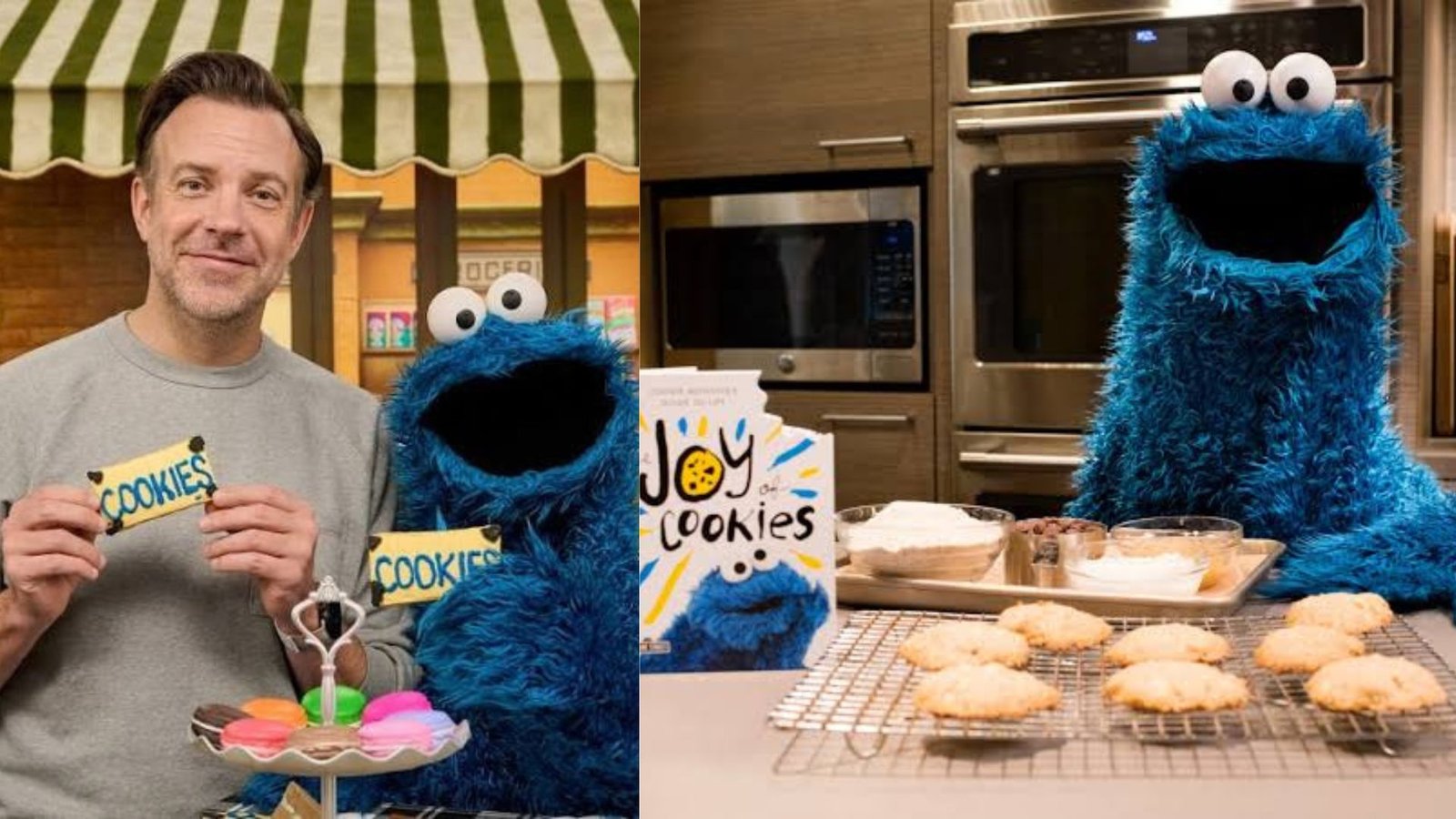
Cookie Monster is one of the most recognizable characters ever created for children’s television: bright blue fur, rolling googly eyes, a booming voice and an apparently endless appetite for cookies. Yet the character has developed into much more than a running joke about food.
For generations of Sesame Street viewers in the United States, the UK and elsewhere, the blue Muppet has been used to explore letters, food, friendship, patience, sharing and self-control. Sesame Workshop currently describes him as an endearing, determined character who is learning self-regulation, cooperation and healthy habits.
His enduring appeal comes from a simple idea: children can laugh at exaggerated impulses while also watching a familiar character learn how to manage them.
Who Is Cookie Monster?
Cookie Monster is a blue Muppet character from Sesame Street who is particularly famous for his enthusiastic love of cookies. Sesame Workshop lists his birthday as November 2 and describes him as a lovable friend with an intense appetite, not only for cookies but for food in general.
His appearance is deliberately expressive. The shaggy blue fur, large mouth and independently moving eyes help turn ordinary actions, such as seeing a snack, into oversized comedy.
But the joke has never been solely about eating. The character’s enthusiasm gives Sesame Street writers an accessible way to present ideas that young viewers understand: wanting something immediately, finding it difficult to wait, making choices and deciding whether to share.
| Character Element | What It Adds |
|---|---|
| Blue, furry appearance | Makes the character instantly recognizable |
| Large mouth | Supports exaggerated eating comedy |
| Googly eyes | Adds unpredictability and physical humor |
| Love of cookies | Creates simple, memorable story situations |
| Impulsive behavior | Opens opportunities to teach patience and self-control |
| Generosity toward friends | Reinforces sharing and cooperation |
| Food-focused segments | Helps introduce cooking and healthier food choices |
How Cookie Monster Began
The character’s origins stretch back to Jim Henson’s experimental commercial work before Sesame Street premiered.
The Jim Henson Company archives trace an important predecessor to a 1966 character called the Wheel Stealer, created for an unaired commercial project involving wheels, crowns and flutes. Variations of the hungry monster later appeared in other advertising and television material before being redesigned with blue fur and no teeth for Sesame Street.
Sesame Street itself premiered in 1969. The Jim Henson Company identifies Cookie Monster among the family of characters Henson created for the educational program alongside figures such as Bert, Ernie, Oscar the Grouch and Grover.
That history helps explain why the character works so effectively. The basic concept existed before the educational context, but Sesame Street transformed an amusing hungry monster into a personality capable of supporting stories, songs and lessons.
The Puppeteers Behind the Character
Frank Oz played an important role in establishing the character’s familiar performance style during Sesame Street’s early decades. Smithsonian describes Cookie Monster and Grover as among the characters associated with Oz’s work as the Muppets became widely known through Sesame Street after its 1969 debut.
Today, David Rudman is the principal puppeteer for the character. Sesame Workshop’s official biography credits Rudman with performing the blue monster as well as Baby Bear and the Two-Headed Monster. He also voices Mecha Cookie Monster in the animated Sesame Street spin-off Mecha Builders.
The continuity between performers matters because the character depends heavily on timing. Sudden movements, pauses, eye direction, vocal reactions and frantic eating all contribute to the comedy.
READ ALSO;The Traitors Season 4: Cast, Winner & Where to Watch
More Than a Character Who Loves Cookies
A common misconception is that Sesame Street’s famous cookie lover exists mainly to encourage children to eat sweets. The modern educational use of the character is almost the opposite.
Sesame Workshop specifically says his large appetite provides opportunities to model healthy habits. His stories now involve learning about cooking, nutritious foods, delayed gratification and making choices.
That does not mean his defining obsession disappeared. Cookies remain part of the comedy. Instead, writers can use his powerful desire for them to illustrate an experience preschool children understand: wanting something immediately but learning that waiting or choosing differently can sometimes be worthwhile.
💡 Pro Tip
Parents and teachers can turn a funny Sesame Street scene into a simple self-regulation activity. After watching the character wait for food or share something, ask a child what he wanted, why waiting was difficult and what helped him make a better choice. This keeps the conversation concrete rather than turning it into a lecture.
From Cookies to the Foodie Truck
The character’s role has also expanded through food-centered programming.
In “Cookie Monster’s Foodie Truck,” he works with Gonger to introduce children to different foods and how ingredients are produced or prepared. Sesame Workshop says the segment debuted during Season 48 and continued as part of the show’s educational programming.
This development fits Sesame Street’s wider educational approach. The character’s appetite attracts attention, while the story can move toward ingredients, preparation, cooperation and healthier eating.
The result preserves the personality viewers recognize without freezing it in the 1970s.
Why the Character Has Lasted So Long
Few children’s television personalities remain recognizable across several generations. Part of the reason is visual consistency: the blue fur and expressive eyes are immediately identifiable.
More important, however, is the emotional simplicity of the character.
Children understand wanting a treat. Adults recognize the exaggeration. Writers can then use that desire in alphabet sketches, comedy, food education or stories about self-control.
Sesame Workshop continues to include the character among the central Sesame Street cast, while the broader franchise remains active internationally. Sesame Workshop states that Sesame reaches families in 190 countries, showing how far the educational brand has expanded since the original American program began in 1969.
That international reach gives familiar Muppets continued relevance well beyond their original television era.
📌 Key Takeaway
Cookie Monster has lasted because the character combines memorable comedy with a flexible educational purpose. His famous appetite creates entertaining situations, while his experiences with patience, friendship, food and sharing allow Sesame Street to teach without removing the humor that made him popular.
Frequently Asked Questions
Is Cookie Monster still on Sesame Street?
Yes. He remains an official Sesame Street character and continues appearing in Sesame Workshop programming. Sesame Workshop also features him in projects beyond the traditional show, including Mecha Builders and food-oriented educational content.
Who performs the character now?
David Rudman is the current principal puppeteer associated with the character. Sesame Workshop officially credits Rudman with performing several Muppets, including the famous blue cookie lover, Baby Bear and the Two-Headed Monster.
When is his birthday?
Sesame Workshop gives November 2 as his birthday. Unlike a human character, however, the date functions as part of the fictional Sesame Street character profile rather than establishing a conventional age or birth year.
Does he only eat cookies?
No. Although cookies are his signature obsession, Sesame Workshop describes him as having a strong appetite for food generally. Modern stories also use his interest in eating to introduce children to cooking, ingredients and healthier food choices.
Was the character created before Sesame Street?
An earlier monster design existed before Sesame Street. Jim Henson’s archives trace the character’s development to the Wheel Stealer from a 1966 commercial concept, followed by several related appearances before the familiar blue version emerged for the television series.
A Sesame Street Character Built to Evolve
Cookie Monster remains memorable because the core personality is simple without being restrictive. The love of cookies provides instant comedy, but patience, friendship, cooking, cooperation and emotional regulation give writers far more material than a single recurring joke.
More than five decades after Sesame Street began, the character still works for essentially the same reason: children can immediately understand what he wants, laugh at how strongly he wants it and learn alongside him when getting what you want requires patience, thought or sharing.
Conclusion
Cookie Monster has grown far beyond the simple idea of a blue Muppet who cannot resist cookies. His humor, distinctive voice, expressive personality, and relatable struggles with temptation have made him one of Sesame Street’s most enduring characters. At the same time, his stories have evolved to introduce young viewers to patience, sharing, cooperation, food choices, and self-control.
What makes Cookie Monster especially memorable is that these lessons rarely overpower the comedy. He can make children laugh while showing that wanting something and learning to wait for it can exist in the same story. Decades after his television debut, that balance of humor, personality, and educational value continues to make him a recognizable part of Sesame Street for new generations of families.
